"They're too young to learn finance." The words that cost your child the most.
Every parent says it. Let them be kids. There's time for money later. But "later" is exactly how a generation grew up smart in every subject except the one that runs their entire adult life.

Here are 8 reasons your child is not too young. Not even close.
Their money habits are already forming, right now

Researchers who study how children develop have found that the core money habits, the instincts around saving, spending, and waiting, are largely set by around age 7. Not the maths. The habits. That means the question was never "when should my child start learning about money." They already started.
The only question is whether anyone is guiding it, or whether they're picking it up by accident.
They're already handling money, whether you taught them or not

Pocket money. The tuck shop. Asking for one more thing at the store. The game that needs just Rs 99 to buy in-game coins. Your child makes small money decisions every single week, and every one of those is a lesson happening with or without you.
A child left to "learn later" isn't protected from money. They're just practising it wrong.
School is not going to teach this in time

Here is the uncomfortable truth. Personal finance still isn't a required, examined subject in most Indian schools. There's no board exam for it, no tuition class for it. India even ranks below Pakistan on basic financial literacy in the largest global survey ever done.
If you're waiting for the education system to handle this, you are waiting for something that isn't coming. Not before your child needs it.
The lesson is cheap now and brutally expensive later

Teaching a 12-year-old why a credit card is dangerous costs you a conversation. Learning it at 25 costs them years of EMIs, interest, and sleepless nights. The exact same lesson has two very different price tags, and the only difference is when it's taught.
Early money education isn't about making your child clever. It's about making sure their first big money mistake is a small one, on paper, not a real one that scars them.
Which brings me to the thing that actually made this simple

For most parents, the problem was never "should I teach my child about money." It was "how, and where do I even start, when I'm not sure I understand it myself?"
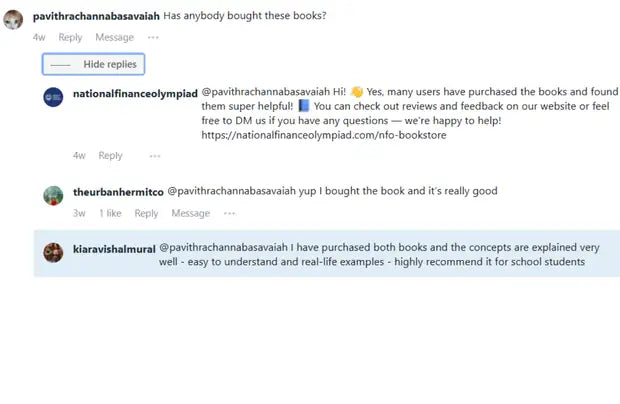
That's exactly the gap the National Finance Olympiad Personal Finance Handbooks were built to close.
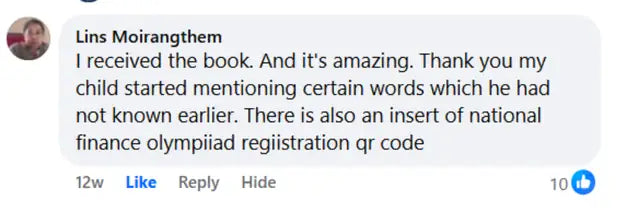
They're written grade by grade, so a younger child learns money in words they can actually grasp, and an older one learns what they'll genuinely need the day their first salary lands. No jargon. No lectures. Just the real skills school skips: saving, budgeting, smart spending, earning, and spotting the traps. And most parents quietly admit they end up learning right alongside their child, which is rather the point.

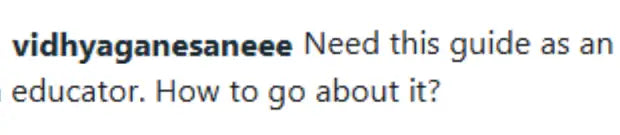
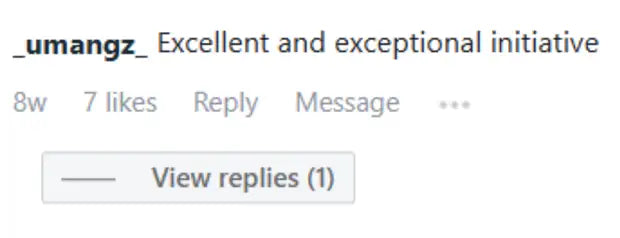
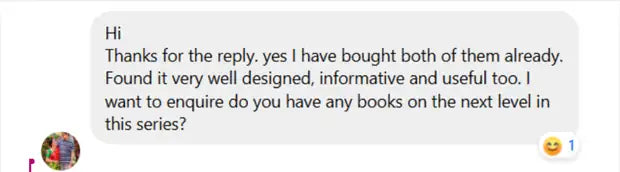
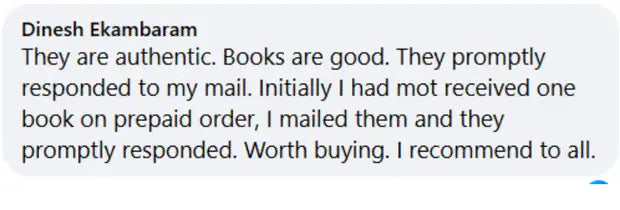
Already trusted by 500+ schools and 80,000+ parents across India.
Now, the rest of the reasons.
Your child is learning money from you already, by watching

Children copy long before they're taught. They're watching how you react to a bill, how you talk about a big purchase, whether money is a calm subject in your home or a tense one. Teaching money on purpose simply means they learn the good version instead of the anxious one.
The digital world hands them temptation younger every year

UPI, one-tap payments, in-game purchases, "buy now, pay later" on every screen, and a few years down the line, loan apps that target the young. A child who understands what money actually is before the phone teaches them how easy it is to lose has a genuine head start.
Money knowledge compounds, exactly like money does

We all understand that ₹100 saved young becomes far more than ₹100 saved late, because it has time to grow. Knowledge works the same way. Start early and you're not just teaching a lesson, you're giving it time to compound into instinct.
Waiting doesn't protect your child. It just delays the bill.

"Too young" feels like kindness. It feels like letting them enjoy childhood. But it doesn't remove the lesson from their life. It just moves it to a moment when getting it wrong is far more painful and far more expensive.
You're not sparing your child by waiting. You're choosing, without meaning to, that they'll learn it the hard way.
So, is your child too young?

They're old enough to want things. Old enough to spend. Old enough to watch you. Old enough for the habits to already be forming. Which means they're exactly old enough to learn how it all actually works, before the world charges them full price for the lesson.
Give your child the one advantage a report card can't.

P.S. No parent has ever looked back and wished they'd taught their child about money later. The regret only ever runs the other way.
Personal Finance Handbook